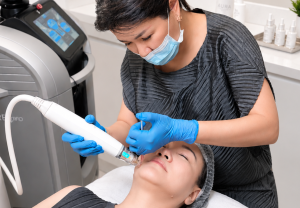
The rise of medical aesthetic tourism has given patients more treatment options than ever—yet more choice does not always mean more safety. For many in Singapore, travelling overseas for aesthetic procedures seems appealing due to convenience, privacy, or perceived affordability. However, the decision to treat abroad carries significant clinical trade-offs.
This guide outlines key clinical considerations on what you should consider before undergoing aesthetic treatments overseas. It does not focus on pricing—but on patient safety, regulatory differences, treatment continuity, and the risks of unsupervised procedures.
You will learn:
By the end, you will be equipped to make informed, medically responsible decisions—whether you choose to proceed locally or abroad. In aesthetic medicine, outcomes are not just shaped by what is done—but also by how, where, and by whom it is done.
Affordability. Perceived expertise. Social media influence. These are common reasons people consider treatment abroad. But one often-overlooked factor? Different rules.
What’s Rarely Talked About: Advertising Regulations
In Singapore, all licensed clinics must follow strict regulations by the Health Sciences Authority (HSA). This means no exaggerated claims, no before-after photos, and no flashy promotions—all to protect patients from misleading information or unrealistic expectations.
In contrast, many overseas providers are not held to the same standards. This gives them greater freedom to promote procedures with bold claims, aggressive pricing and dramatic visual proof and market aggressively that wouldn’t pass compliance in Singapore.
While relaxed advertising rules can shape perceptions, the real reasons people pursue aesthetic treatments abroad run deeper. Factors like cost, viral trends, bundled offers, and clinical safety all play a role—and understanding these trade-offs can help you make smarter, safer choices.
Let’s be honest—cost is often a major motivator. Overseas clinics may advertise lower prices, bundled packages, or flash deals that make full treatment plans look instantly more affordable. It is understandable to want value, especially when treatments are elective and self-funded.
But before you book based on pricing alone, ask yourself:
Aesthetic treatments should be personalised, not standardised into one-size-fits-all packages. Just because a deal includes five procedures does not mean all of them are medically necessary—or safe to perform together.
The lower upfront price may come at the cost of:
Global trends like K-beauty, TikTok filters, and influencer transformations on Instagram have changed how many people approach aesthetic decisions. It is now common to see a treatment online, recognise it by name, and want the same result—without fully understanding whether it fits your face, your skin, or your medical history.
Social media often shows polished outcomes—but rarely shows the aftercare, downtime, or long-term risks that come with it.
Before chasing a look you saw online, ask yourself:
What is trending may not be universal—and often, it is not personalised. Aesthetic medicine works best when guided by your skin’s needs, not by what is currently viral. Always start with medical advice, not marketing hype.
While the appeal is understandable, decisions made under the influence of convenience, aesthetics, or marketing should be balanced against regulated care, continuity of treatment, and medically guided planning. In reality, treatment outcomes depend on planning, setting, and post-procedure care as much as the procedure itself.
Accessibility does not always equate to clinical safety. While aesthetic treatments are widely available across the region, the underlying standards of care, provider expertise, and regulatory safeguards can differ significantly. When these elements are inconsistent, the risk to patient safety increases.
In overseas settings, patients may be treated by providers without formal training in facial anatomy or medical aesthetics. Licensing is not always required, and qualifications may not be transparent. In Singapore, aesthetic procedures must be carried out by doctors who are licensed under MOH regulations and have received appropriate training.
Another concern is the use of devices or substances that may not meet Singapore’s regulatory benchmarks. Some reports suggest that uncertified products may carry increased risks of side effects like burns or pigmentation, particularly for Asian skin types. According to the Health Sciences Authority (HSA), all medical devices must be approved before clinical use in Singapore.
Communication is another overlooked safety factor. In places where English is not the main language, important details—like what product was used, what you are signing up for, or how to care for your skin after—can get lost in translation. That makes it harder to make safe decisions or know what to do if something goes wrong.
Scroll right to view more
| Clinical Risk | Overseas | Singapore |
|---|---|---|
| Provider Verification | Often unclear or unlicensed | Medically certified |
| Device & Product Safety | May lack regulation | Approved by HSA |
| Infection Control | Variable standards | Clinically mandated protocols |
| Emergency Response | Limited or unavailable | Accessible and coordinated |
| Aftercare & Documentation | Inconsistent | Structured and traceable |
Note: While availability may be broad, clinical consistency and patient safety depend heavily on the system in place—not just the procedure performed.
One of the most important differences between getting aesthetic treatment in Singapore versus overseas is the level of patient protection you receive. In Singapore, your safety is backed by strict regulatory frameworks from the Ministry of Health (MOH) and the Health Sciences Authority (HSA)—both focused on maintaining standards in medical training, product safety, and clinical oversight.
What this means for you:
These protections exist to safeguard your health—not just during the procedure, but also in the days, weeks, and months after.
By contrast, overseas systems vary widely. Some countries offer excellent care, but others may lack basic enforcement of licensing, product traceability, or even legal pathways for patient complaints. This means if something goes wrong, you may have limited recourse or medical documentation to fall back on.
Real-world scenario: A patient returns to Singapore with complications from an overseas filler injection. The product batch was not recorded, and no clinical notes were provided. Without this information, your doctor in Singapore may not be able to safely assess or reverse the treatment.
The bottom line? Regulation is not about red tape. It is about ensuring that your treatment is traceable, your doctor is accountable, and your safety is protected—before, during, and after the procedure.
Recovery is not just about waiting for swelling to subside—it is a crucial phase where your skin heals, your body responds, and your results take shape. The choices made during this period can determine whether outcomes hold—or complications escalate.
When treatments are performed overseas, that recovery window is often unsupported. Once you fly home, access to your provider may be limited or nonexistent. Time zones, language barriers, and the absence of formal aftercare systems can make it difficult to ask questions or flag concerns.
Many complications do not appear immediately. In fact, they often emerge days or even weeks after treatment—after you have already returned home:
In these cases, time is critical. Yet many local doctors may hesitate to intervene without knowing:
Without this information, accurate diagnosis and safe intervention become difficult.
Aesthetic outcomes do not end when you leave the treatment chair—they depend on how well follow-up issues can be identified, documented, and treated.
Timeline of Risk:
While it may not always be possible to get full medical records or round-the-clock follow-up from an overseas provider, you can still take steps to reduce risk:
If a provider cannot tell you what support is in place after your procedure, it may be a sign to reconsider.
It can be tempting to combine multiple aesthetic treatments into one overseas trip—especially when they are bundled in a package. Lasers, fillers, RF tightening, and skin boosters may all be offered in a single session. But doing too much, too fast, without proper planning can backfire.
What patients often do not realise is:
Without medical guidance, you may risk:
If the treatment plan would not be done that way in Singapore under a MOH-licensed doctor, ask yourself why it is being offered overseas in one sitting.
Before stacking treatments, consider:
A well-paced plan usually leads to better, safer results than an overloaded one. It is not just what you do—but how and when you do it—that matters.
A consultation with a MOH-licensed aesthetic doctor allows for a medical review of your skin condition, treatment suitability, and potential risks. Whether you proceed locally or abroad, this is the first step in any medically responsible plan.
Note: Even if you’re considering treatment overseas, beginning with a local medical consultation can help guide your decision based on clinical considerations.
A Foundation for All Aesthetic Choices
This consultation helps you understand your options with appropriate medical input. It also establishes a safety net should you require follow-up care or complication management after returning from overseas.
In aesthetics, preparation is not a step to skip. It is what turns a cosmetic decision into a medically sound one.
Aesthetic treatments—whether done locally or overseas—carry different levels of risk. Use this checklist as a clinical filter, not just a travel consideration. If you answer “No” to any of the following, reconsider proceeding without further medical guidance.
✅ Safety-Centred Questions to Ask Before Going Overseas:
Note: If you answered “No” to any of these questions, pause and seek clinical advice before moving forward. A rushed decision can compromise both your results and your safety.
A safety-first checklist is not a barrier—it is a baseline for responsible treatment planning.
The table below highlights systemic differences that may influence your treatment journey. It is not about where treatments are available, but how safety, regulation, and support structures vary across settings.
Use this table as a clinical reference—not just a travel comparison tool. Understanding these differences can help you weigh convenience against the long-term reliability of care.
Scroll right to view more
| Factor | Overseas | Singapore |
|---|---|---|
| Regulatory Oversight | Varies by country; may lack enforcement | MOH and HSA-governed, with defined protocols |
| Provider Verification | Credentials may be unclear or unregulated | MOH-licensed doctors with recognised training |
| Product Safety | Possible use of non-certified devices or fillers | HSA-approved products with traceability |
| Aftercare Access | Limited; may end at departure | Ongoing, structured follow-up available |
| Communication | Potential language or documentation barriers | Conducted in English with full disclosure |
| Legal Recourse | Depends on local laws and accessibility | Covered under Singapore’s medical framework |
Instead of just looking at cost or how fast you can book, it is worth asking: Can you trace what was used? Will the practitioner be accountable? And who will be there if something goes wrong later?
Aesthetic treatments aim to address skin-related concerns, but their outcomes may vary depending on individual response and treatment planning. Yet where and how you receive treatment has a direct impact on your safety, recovery, and long-term outcome.
Overseas clinics may offer convenience, anonymity, or appealing packages—but these often come with trade-offs: inconsistent regulation, limited follow-up, and lack of recourse if complications occur. While not all overseas providers are unsafe, the wide variability in standards can make it difficult to verify what you are agreeing to.
In Singapore, seeing a qualified doctor gives you access to regulated treatment environments, traceable products, and continuity of care. You are protected not just by the skill of your provider, but by the systems behind them.
Before you decide, ask yourself:
If you’re exploring aesthetic procedures, a consultation with a licensed medical professional can provide clarity on clinical suitability and safety. This allows you to understand your treatment options, ask the right questions, and decide what is safest for you.
In aesthetic care, the first and most important choice is not which treatment to get—but how to plan it responsibly. Begin with safety. Stay informed. Make every treatment decision count.
Embrace your journey to beauty with AURA,
where your unique aura is celebrated and empowered.
Let us unveil your most beautiful self.
Seek subtle enhancements or extensive transformations? We’ll help you feel confident and empowered in your own skin. Speak to our experienced specialists to discover the best treatment plan for you.
Your journey begins here.
Join our newsletter
for expert insights on beauty.